 Steady Bites
A restaurant can lower a few menu prices and still feel financially risky. The more revealing question is whether diners can see, shape, and repeat the cost of a meal.
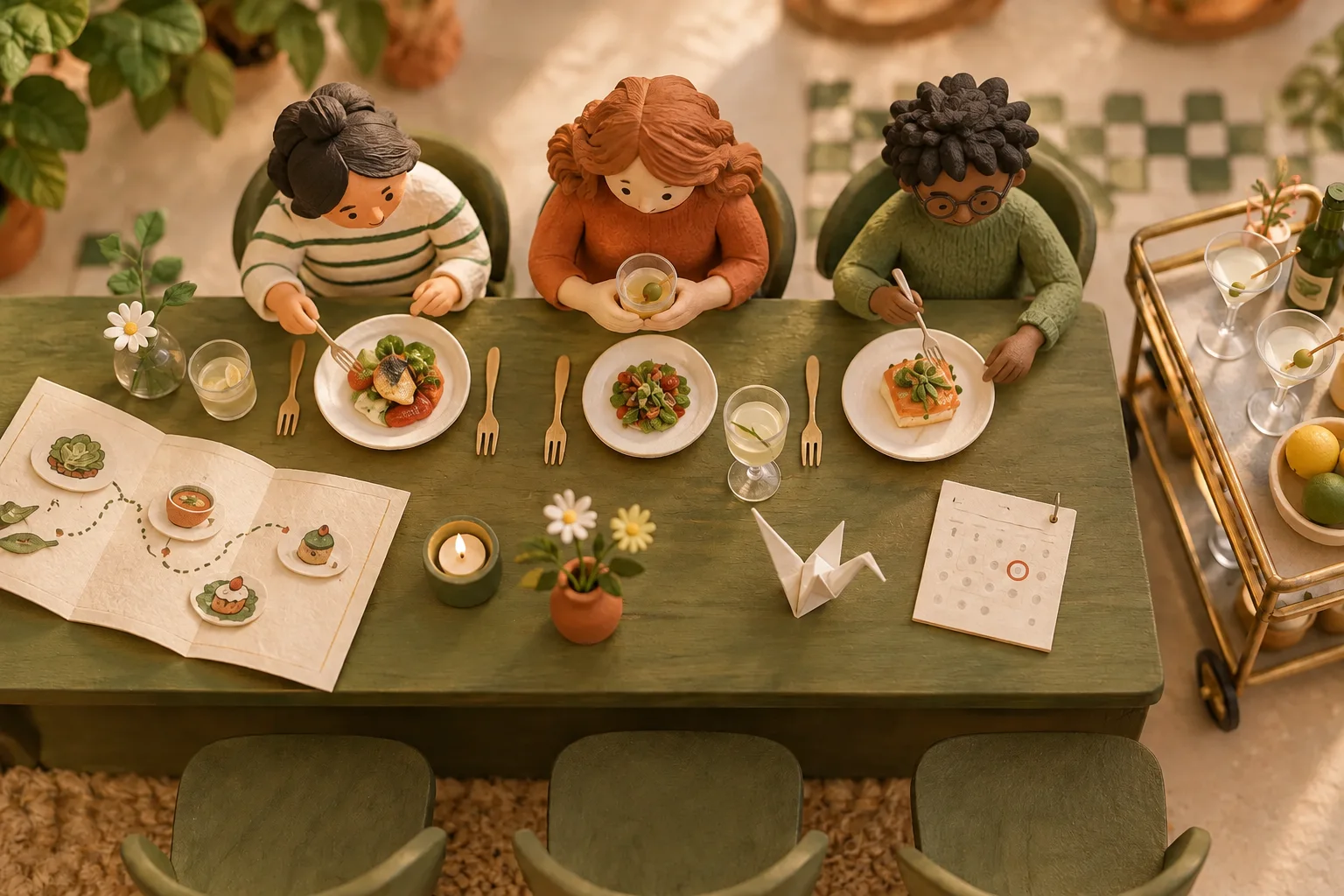
An Eater report describes several US owners replacing or redesigning high-end restaurants. The changes went beyond cheaper ingredients. Floradora retained a tableside martini cart but removed the dedicated attendant. Firstborn replaced a potentially confusing menu of shared dishes with a fixed-price, four-course meal. Rye Bunny moved from full table service to counter ordering, giving diners more control over what they bought while reducing the owners’ reported staffing and labor costs.
These examples do not establish a nationwide trend. They do, however, show three ways a restaurant can reconsider value. Can someone stop for one dish rather than commit to a full occasion? Is the likely total clear before ordering? Does every element of service improve the guest’s evening enough to justify its cost?
The economic pressure is measurable, although the figures are specific to the United States. The US Bureau of Labor Statistics reported that food-away-from-home prices rose 3.5 percent in the year ending September 2026, with full-service meals up 3.8 percent. That urban consumer price index tracks average price changes. It does not measure whether a meal is affordable to a particular person or whether a restaurant is profitable.
This matters even if you will never visit the restaurants named. Restaurants in many places balance ceremony, labor, menu complexity, and the hope that guests will return. “More affordable” remains relative. The meaningful shift is from designing only for a memorable occasion toward designing a place people can imagine using again.