 Steady Bites

Having the same snack most afternoons does not, by itself, tell you whether the routine needs changing. Before setting a new rule, try noticing how it fits that particular part of your day.
Consider three imagined situations.
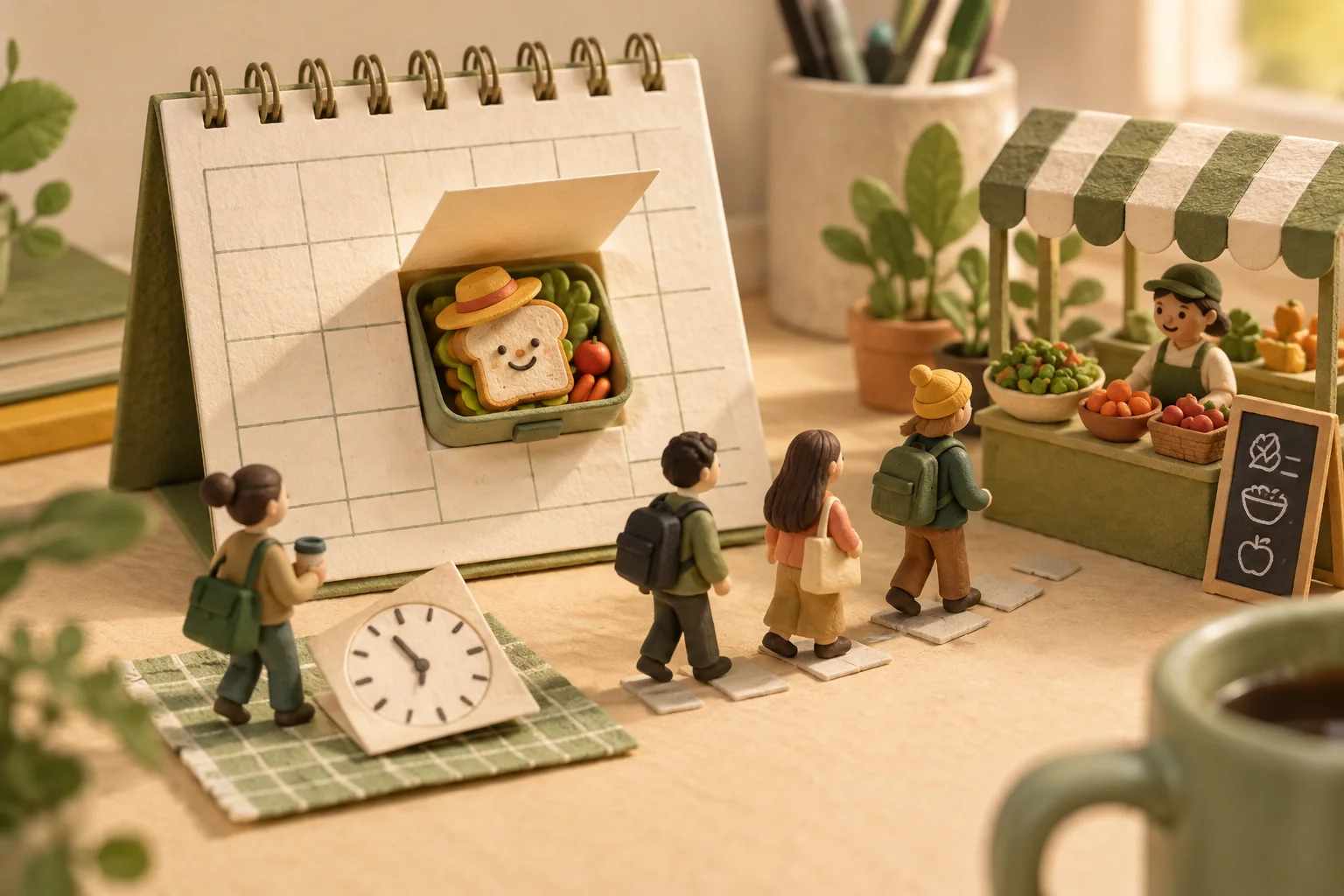
At a desk, someone reaches for the snack kept beside their work. A useful question might be: is this what I wanted today, or simply what was within reach? The answer could be both. There is no need to turn it into a verdict about eating at a desk.
Before a journey home, another person buys something at the only shop they will pass. Here, availability belongs in the picture. What else was open, affordable, and practical to carry? A choice made among two available options is different from one made with a kitchen nearby.
After arriving home, someone has a familiar snack with tea and a conversation. The detail worth noticing may be enjoyment or company, not a problem to solve. Keeping that routine can be a deliberate choice too.
The National Institute of Diabetes and Digestive and Kidney Diseases suggests recording how you felt as well as what you did when tracking a routine. You can borrow that observation step without adopting a goal to change the snack.
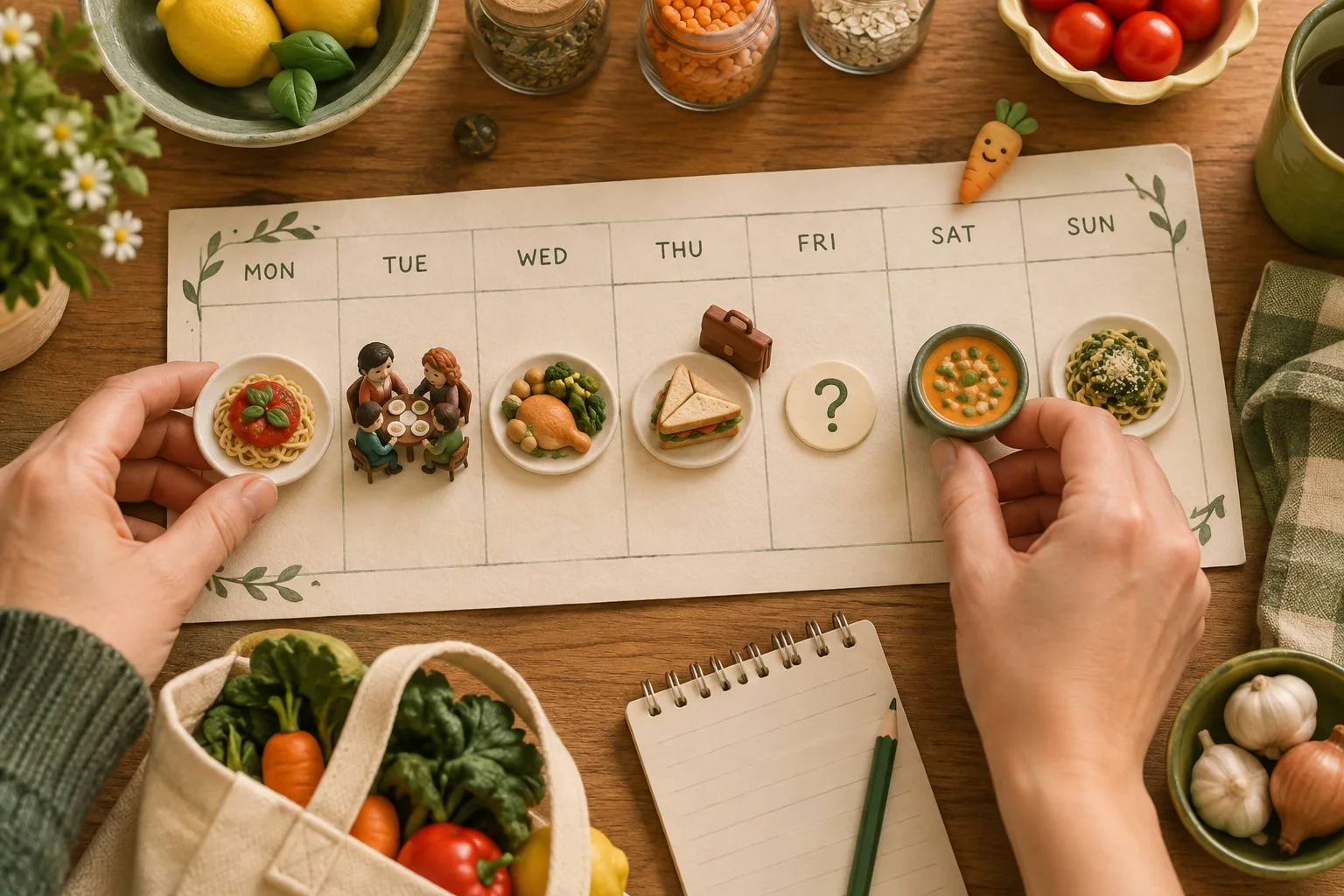
For a few comparable occasions, try one short note: where you were, what was available, and whether you enjoyed it. Add the time if that helps distinguish the situations. These are prompts, not a test or an explanation of why you ate.
Then decide whether there is anything you want to adjust. Perhaps you would prefer another option within reach, or time to enjoy the one you already like. If the routine suits you, the useful discovery may be that it can stay.