 Steady Bites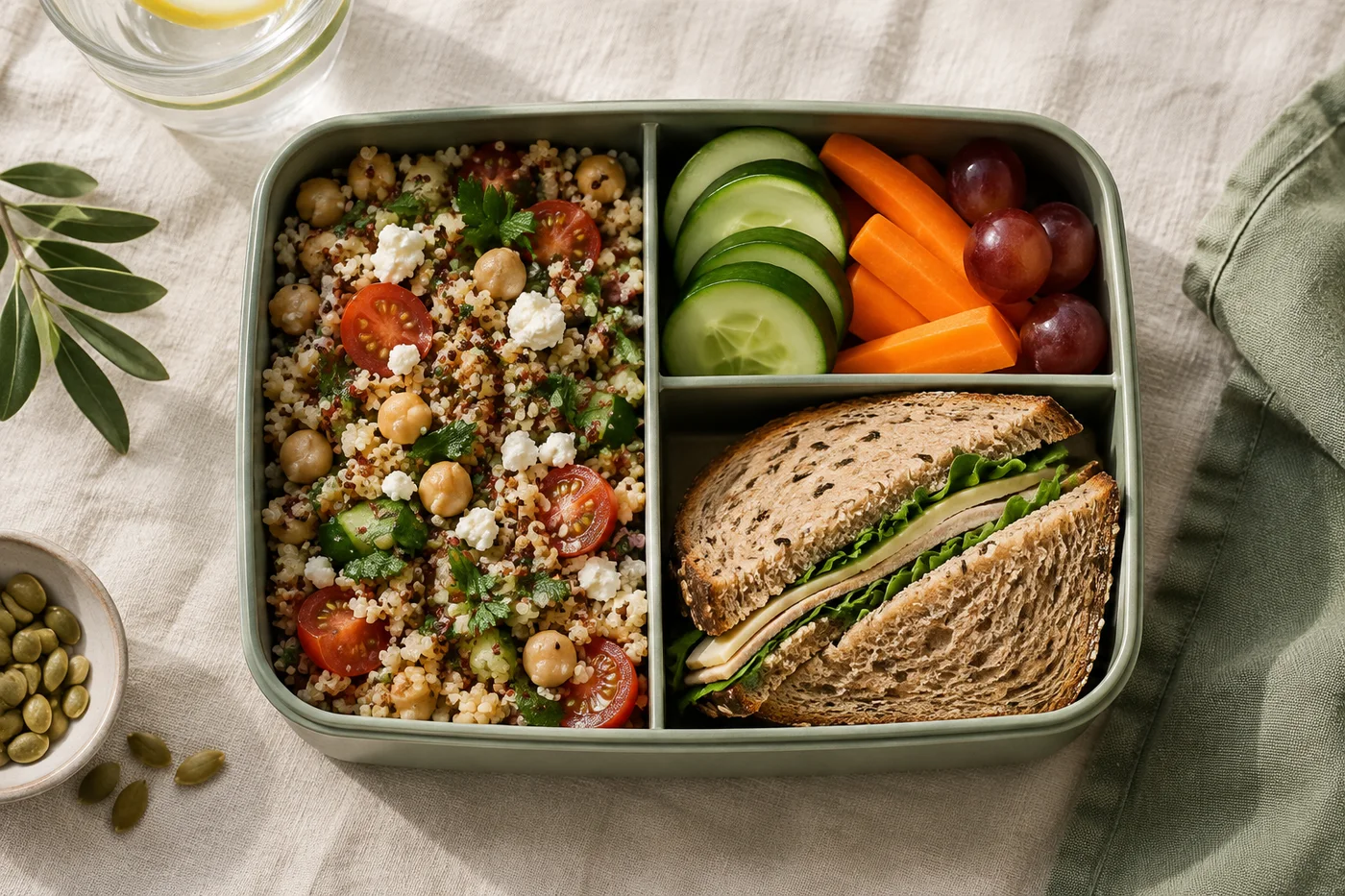
A packed lunch has a different job from a meal eaten at home. It may sit for hours, travel sideways, and arrive with no microwave nearby. Bon Appétit’s 41-idea school-lunch collection becomes more useful when read as a set of design patterns rather than a long recipe list.
Start with the conditions. If lunch will be eaten cold, choose food that is meant to hold that way: sturdy sandwiches, filled flatbreads, noodle dishes, grain salads, or rice balls. Delicate greens and wet fillings can soften bread, while crisp vegetables, hearty grains, and substantial spreads tend to travel more predictably. Pack dips and sauces separately when that protects texture.
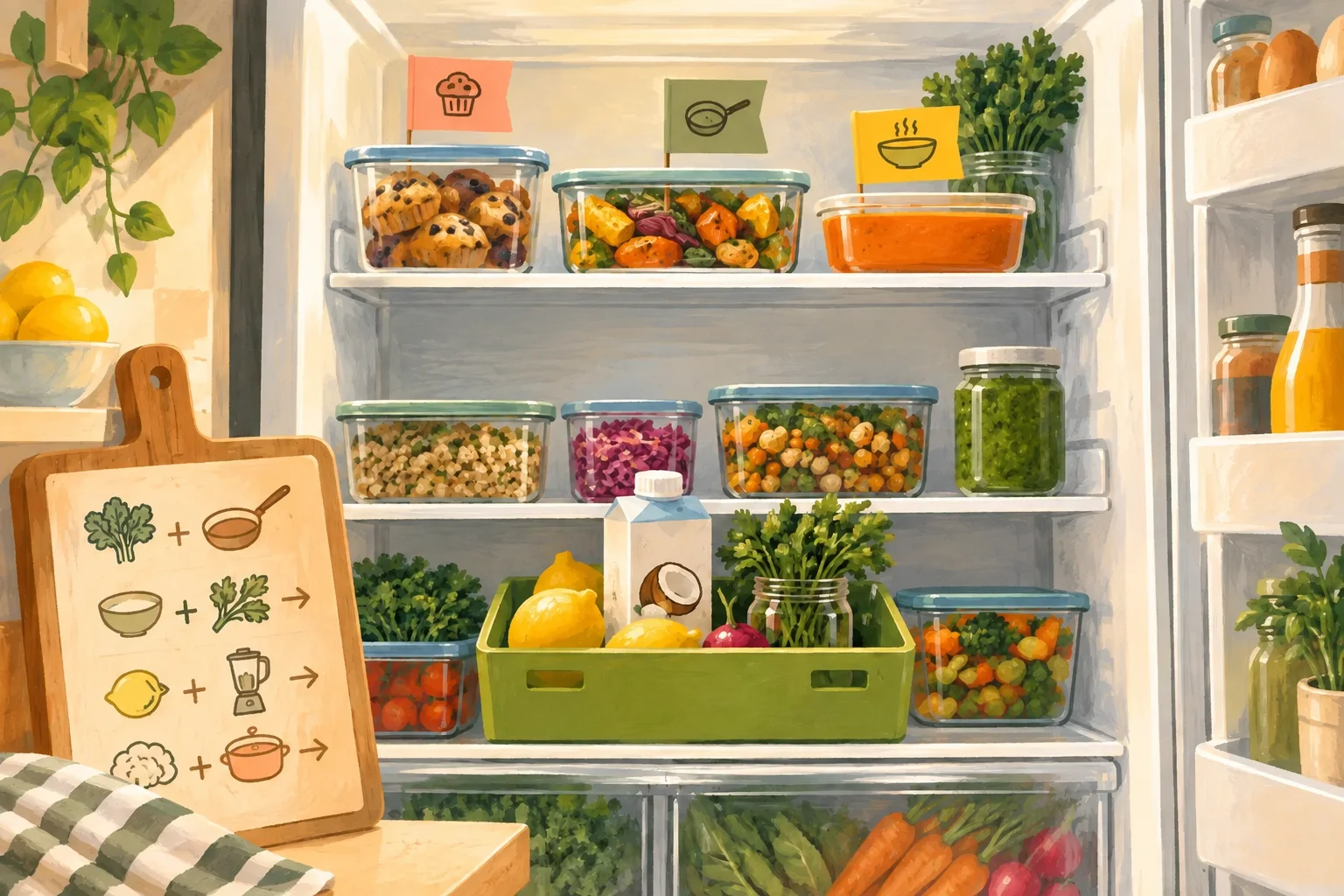
Next, move work away from the morning rush. The collection includes fillings that can be prepared a day or two ahead, freezer-friendly handhelds, big-batch dinners that become next-day lunches, and muffins or snacks made in multiples. The useful question is not “What entirely new lunch should I make?” but “Which part can already be waiting?”
Temperature matters as much as texture. The USDA recommends an insulated bag with at least two cold sources for perishable foods. Hot soup, chili, or stew belongs in a clean insulated container that has been preheated with boiling water and then kept closed until lunch. Those precautions are especially relevant when repacking dinner leftovers.
Variety does not require 41 separate plans. Keep a few formats in rotation (handheld, cold bowl, thermos meal, snack box) and change the components as time and leftovers allow. That turns inspiration into a repeatable packing system, with room for familiar favorites and the occasional new idea.